
Media & Entertainment
From Open-Source Enthusiast to Real-World Integrator: How Andrew Pealock’s HL8 Powers Automation, Privacy, and Self-Hosted Infrastructure
Andrew Pealock built his 45Drives HL8 into a self-hosted powerhouse running Proxmox, Jellyfin, Home Assistant, and business automation tools all centered around flexibility, privacy, and long-term control.
Andrew Pealock
Media & Entertainment
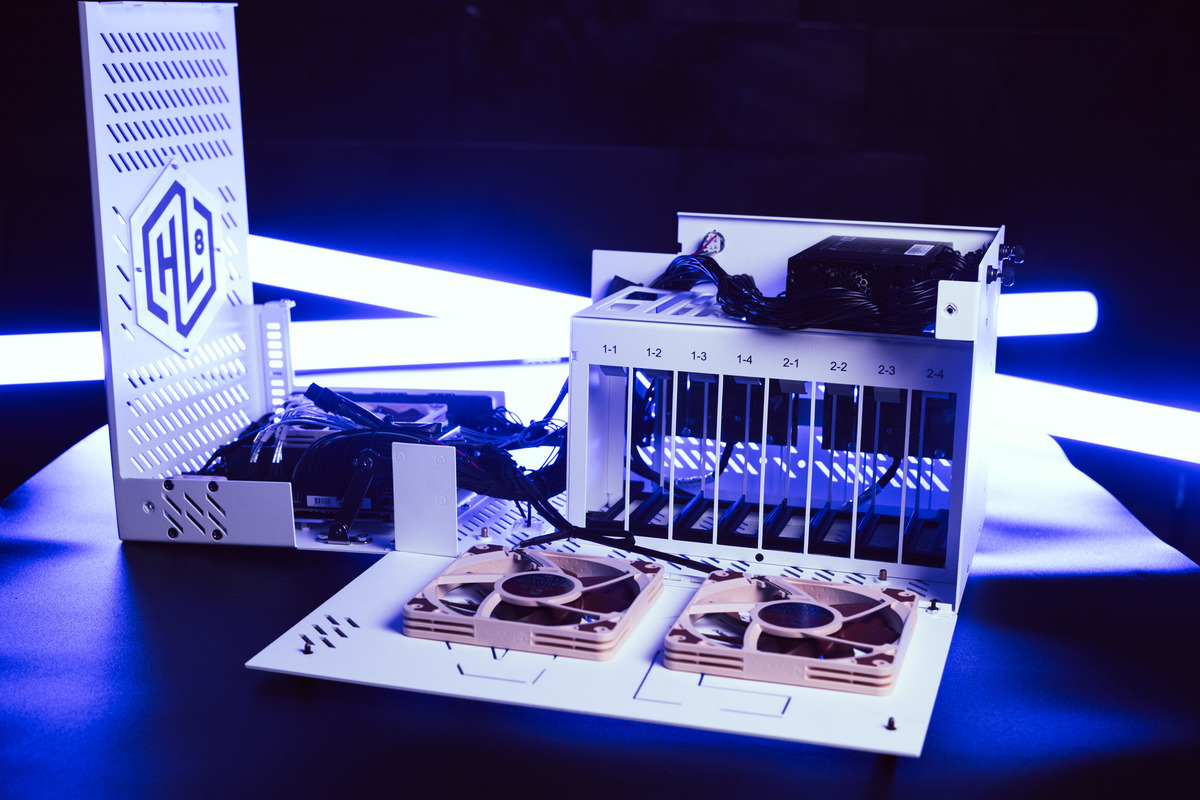
When Andrew Pealock discovered the 45Drives HL8, he saw more than just a compact storage server. He saw a platform that matched the way he thinks about infrastructure: flexible, repairable, scalable, and completely under his control.
Andrew Pealock
A lifelong tinkerer and self-described “home lab tech enthusiast,” Andrew has spent years building systems around Linux, automation, networking, and open-source software. What started as experimenting with small PCs and self-hosted services eventually evolved into a full homelab ecosystem supporting both his family and his growing integration business.
Today, Andrew uses his HL8 as the backbone for a Proxmox-powered environment running Jellyfin, Home Assistant, Pi-hole, MQTT automation, remote monitoring tools, and self-hosted business services. The system handles everything from media streaming and family backups to automation workflows and client infrastructure testing.
The Challenge: Building Flexible Infrastructure Without Vendor Lock-In
Before moving deeper into self-hosting, Andrew found himself frustrated with expensive proprietary ecosystems and rigid “one-size-fits-all” solutions.
“They try to put like one size fits all solutions onto the customer.”
For someone who enjoys building, experimenting, and solving unique problems, that approach quickly became frustrating. Andrew didn’t want infrastructure that would need to be replaced the moment his needs changed. He wanted systems he could fully control, customize, repair, and scale over time.
That meant moving away from locked-down ecosystems and toward open-source tools, self-hosted services, and hardware designed to evolve alongside him instead of limiting what he could build.
It’s a mindset that now influences everything from his personal homelab setup to the custom automation and infrastructure solutions he designs for customers through AMP Studios.
The Solution: A Self-Hosted HL8 Environment Built Around Open Source
Andrew’s HL8 runs bare-metal Proxmox with a growing collection of LXC containers and self-hosted services. Rather than consolidating everything into one large virtual machine, he shifted toward smaller isolated workloads that give him cleaner automation control and easier management.
“I was guilty at one point as well of having a VM basically running all the things.”
The setup uses Intel Quick Sync for efficient media transcoding and a motherboard with onboard SAS connectivity, allowing him to maximize the HL8’s compact Mini-ITX footprint without sacrificing expansion flexibility.
Andrew also backs his infrastructure with ZFS storage and relies heavily on open-source tools like Jellyfin, RustDesk, Invoice Ninja, WireGuard, and Home Assistant to keep everything running locally and under his control.

Real-World Setup: Automation, Privacy, and Problem Solving
Beyond the homelab itself, Andrew uses the same open-source mindset in customer deployments.
One of his favorite projects involved building a fully automated digital signage system for a multi-bay oil change facility using Raspberry Pis, Python, Selenium, and Home Assistant. The system automatically powers displays, pulls cloud dashboard information, and routes video feeds throughout the building.
“Not only did the end result work better… it was also a fraction of the cost.”
At home, his self-hosted environment is equally practical. His family uses Jellyfin for local media streaming, Pi-hole for DNS filtering, and Home Assistant for automation and location tracking. His security cameras are entirely self-hosted as well.
“I can go downstairs and drill a hole in the hard drive and all the footage goes away.”
For Andrew, privacy and ownership are just as important as performance.
Why the HL8 Fits the Builder Mindset
What Andrew appreciates most about the HL8 is its long-term flexibility.
“Spend your money on a good chassis because that’s what’s going to take you years and years into the future.”
Rather than constantly replacing hardware, he prefers building around strong foundations that can evolve over time. Combined with Proxmox, ZFS, and open-source tooling, the HL8 became exactly that: a stable platform for experimentation, learning, and real-world infrastructure.
The Verdict: Self-Hosting as a Lifestyle
For Andrew, homelabbing isn’t just about servers or storage. It’s about curiosity, experimentation, and solving problems creatively.
“That’s part of the home lab fun too… you’re learning something new, experimenting, failing a bit, small successes.”
And sometimes, that means switching from SSH sessions to splitting firewood in the same afternoon.
“I’m probably one of the only people you’ll ever meet who in the span of the same hour will go from SSHing into a production server… to chainsawing and splitting firewood.”
For builders like Andrew, that balance is exactly what makes the homelab community feel like home.
Ready to Build Your Own Homelab?
Whether you're self-hosting media, building automation workflows, running virtualization clusters, or experimenting with open-source infrastructure, the right hardware foundation makes all the difference.
Andrew built his HL8 around flexibility, ownership, and long-term reliability creating a system that powers everything from Home Assistant and Jellyfin to business integrations and self-hosted services.
“Spend your money on a good chassis because that’s what’s going to take you years and years into the future.”
Explore the 45HomeLab lineup and start building infrastructure that grows with you, not against you.
Ready to Build Your Own Enterprise-Grade Home Lab?
Join the 45HomeLab community and discover the perfect balance of enterprise reliability and home lab flexibility.